
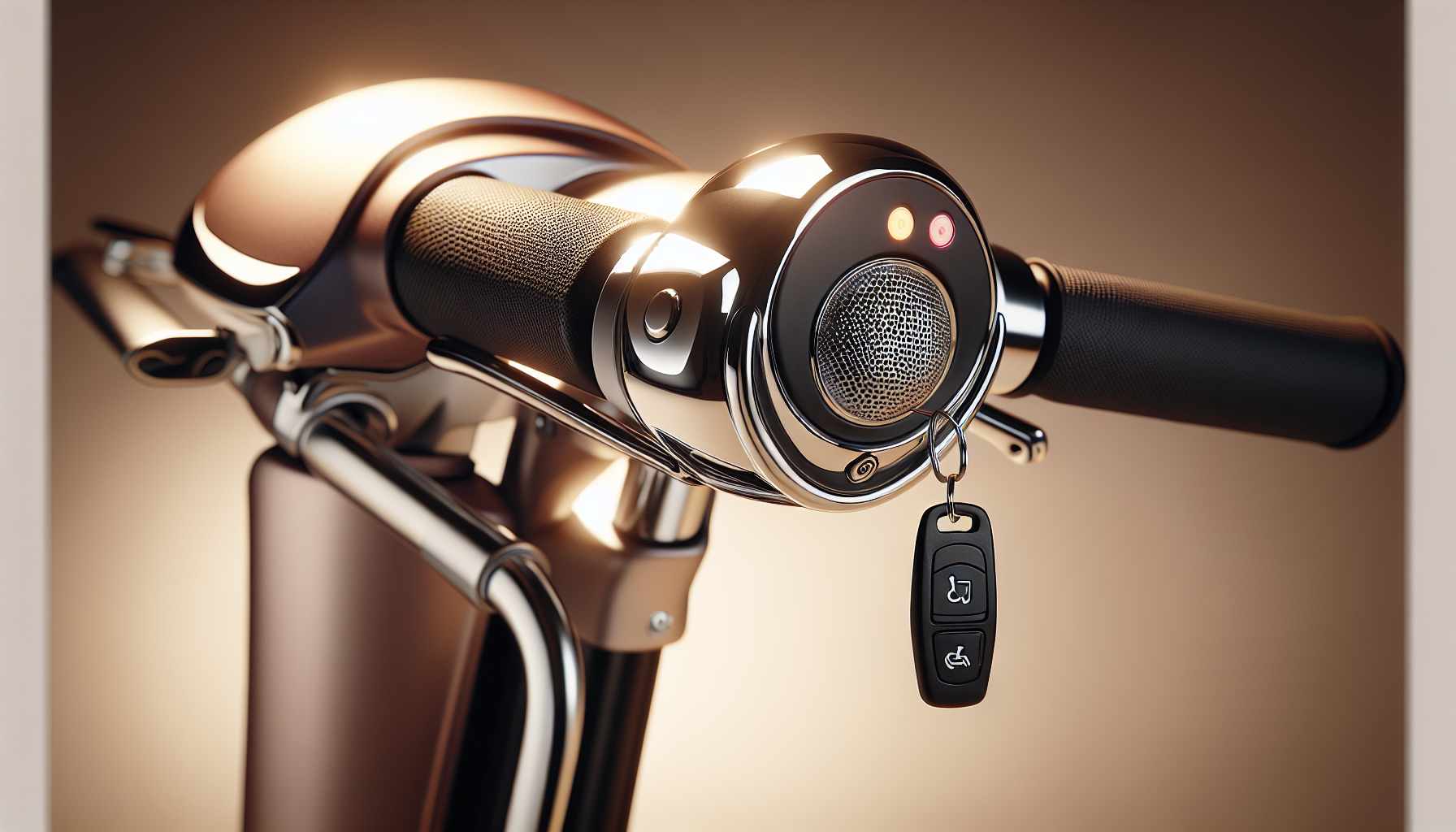
Can you get a mobility scooter with a built-in safety alarm?
Can I Get A Mobility Scooter With A Built-in Safety Alarm?
You can get a mobility scooter that either comes with a built-in safety alarm or can be fitted with one as an optional factory or aftermarket upgrade. This article walks you through the types of alarms available, what to expect from built-in units, how to choose a solution for your needs, and practical information about installation, costs, and maintenance.
Overview of Mobility Scooter Safety Alarms
A safety alarm for a mobility scooter is any system that alerts you or others to an unsafe situation — such as theft, a fall, collision risk, or unauthorized use. These systems range from simple audible horns to smart, connected devices that send alerts to your phone or a monitoring service.
Safety alarms aim to increase your independence and peace of mind by reducing the risk that an incident will go unnoticed or that a scooter will be stolen. Whether you need this for personal safety, theft prevention, or caregiver notification, there are options suited to varied budgets and technical comfort levels.
What is a safety alarm?
A safety alarm is a device or set of features that warns you or other people about danger or unauthorized activity related to your scooter. Alarms can be purely local (loud sirens, flashing lights) or connected (GPS tracking, smartphone notifications).
You should think of the alarm as part of your overall mobility and safety plan, working alongside lights, brakes, reflectors, and common-sense practices to keep you safe while you travel.
Why you might want one
You might want an alarm because you live in an area with risk of theft, you travel alone often, or you have medical conditions that would benefit from quick alerts after a fall or collision. An alarm can also reassure caregivers and family members who worry about your safety.
Alarms also act as deterrents. Visible or audible security features increase the chance that a would-be thief or an irresponsible driver will think twice before acting.
Types of Built-in Safety Alarms
There are several categories of built-in safety alarms commonly available for mobility scooters. Each type addresses different risks and offers a different level of complexity and cost.
Audible alarms and horns
Audible alarms include louder-than-normal horns, sirens, or multi-tone alarms that alert people nearby to a problem. These are the most straightforward and often the lowest-cost option to implement.
They are useful for drawing immediate attention in busy environments or scaring off thieves, but they do not provide remote notification or precise incident data.
Visual alarms and lights
Visual alarms include flashing LEDs, strobe lights, or high-visibility indicators that activate during emergencies. These can be especially helpful in low-light conditions or if you need to get attention without relying on sound.
Visual alarms are often paired with audible alarms for redundancy and to ensure people with hearing impairments can still be alerted.
Vibration and tactile alerts
Vibration motors or tactile alerts can inform you directly when something is wrong without alerting everyone around you. These are useful for personal notification when noise could be intrusive or in situations where you need discreet alerts.
Tactile feedback can be integrated into handlebars or a wearable device such as a wristband or pendant, which is helpful if you sometimes have difficulty hearing or seeing alarms.
Fall detection and automatic alerts
Fall detection systems use accelerometers and algorithms to detect sudden impacts or unusual tilting that indicates a fall. When triggered, they can sound an alarm locally and optionally send a notification to a caregiver or monitoring service.
These systems are valuable for users with balance issues or medical conditions that increase fall risk. They reduce the need to press an emergency button manually if you’re unable to.
GPS, tracking, and connected alerts
GPS-enabled alarms provide location tracking and geofencing; they can notify you or a designated contact if your scooter moves outside a predefined area. They are especially useful for theft recovery or monitoring for users who have cognitive impairments and might wander.
Connected systems often use a SIM card or pair with a smartphone app. They may include subscription fees for cellular connectivity and cloud services.
Immobilization and anti-theft features
Some built-in alarms include immobilization features that prevent the scooter from being started or moved until the correct code or key fob is present. These physically prevent theft or unauthorized use more effectively than a siren alone.
Such systems can include electronic kill-switches, RFID key fobs, or PIN pads integrated with the scooter’s controller.
Mobility Scooter Models That Come With Built-In Alarms
Many manufacturers offer scooters with alarm options either as standard on premium models or as optional extras. You’ll find that the majority of alarms on mobility scooters are either factory-fit optional extras or aftermarket add-ons rather than universal standard features on every model.
Below is a table summarizing general availability by typical scooter categories to help you understand where built-in alarms are most commonly offered.
| Scooter Category | Alarm Features Often Available | Where to Look |
|---|---|---|
| Portable / Travel Scooters | Basic horn, detachable alarm kits, GPS trackers as aftermarket | Third-party alarm kits; accessory catalogs |
| Mid-range Everyday Scooters | Audible alarms, flashing lights, optional immobilizers | Manufacturer accessories and dealer installs |
| Heavy-duty / Long-range Scooters | Integrated immobilizers, larger alarms, optional GPS | Premium models and customization from dealers |
| Specialized Medical Scooters | Fall detection, tethered emergency buttons, caregiver alerts | Medical equipment suppliers and service providers |
| Modified Scooters for Dementia/Memory Care | Geofencing, tracking, caregiver notifications | Specialist clinics and occupational therapists |
If you’re buying new, ask your dealer whether a safety alarm is included, optioned, or can be factory-fitted. If you already have a scooter, many dealers or mobility workshops can add factory-approved alarm kits.
Aftermarket Safety Alarms and Upgrades
If your scooter doesn’t come with a built-in alarm, you can often add one later. Aftermarket systems offer a wide range of capabilities and can be more flexible for retrofitting older scooters.
Types of aftermarket alarms
Aftermarket options include stick-on sirens, hardwired alarm modules, GPS trackers, wearable fall detectors, and combined kits that include multiple sensors. Prices and complexity vary widely depending on features.
You can choose a simple battery-powered siren to deter thieves or a full connected kit that includes GPS, accelerometers, and a subscription plan.
Installation considerations
Installation complexity ranges from simple battery-powered devices you fit yourself to hardwired modules that require professional fitting. Wiring into the scooter’s electrical system can affect warranties if not performed by authorized technicians.
You should consider professional installation if the kit requires interfacing with the scooter’s controller or battery system to avoid damage and ensure correct operation.
Compatibility with electrics and battery
Some alarm modules draw power continuously and can have an impact on your scooter’s battery life if not properly managed. Choose modules designed for 12V or 24V systems based on your scooter’s specifications and check standby current draw.
If the alarm draws excessive power it could reduce range or require separate power sources or power management features to avoid draining your main battery.
Cost of aftermarket options
Aftermarket alarms can cost from under $50 for simple sirens to several hundred dollars for GPS-enabled, subscription-based systems. Installation adds to the total, especially for complex hardwired or immobilizer systems.
We recommend budgeting for a reliable alarm and professional installation if you’re not comfortable with vehicle electrics.
Smart Alarms and Connected Solutions
Connected alarms bring the benefits of real-time alerts, location data, and remote monitoring. They pair sensors on your scooter with apps, cloud platforms, and monitoring services.
How smart alarms work
Smart alarms typically use a combination of GPS, cellular or Bluetooth connectivity, and sensors like accelerometers to detect incidents and report them through an app or a monitoring center. You or your caregivers receive notifications and can act quickly.
Many systems offer geofencing, so if your scooter leaves a predefined area you’ll be alerted immediately.
Pros and cons of connected systems
The pros include quick notification to family or emergency services, precise location tracking, and advanced features like fall detection. The cons are ongoing subscription costs, potential privacy trade-offs, and reliance on cellular coverage.
Consider whether you need real-time tracking and whether you are comfortable with the associated subscription and data-sharing arrangements.
Integration with smartphones and services
Most smart systems have companion apps for iOS and Android that let you manage settings, review location history, and add emergency contacts. Some offer 24/7 monitoring services for an extra monthly fee.
If you or your caregivers aren’t comfortable with smartphones, look for systems that can call pre-set numbers or connect to a monitoring center instead.
Legal, Insurance, and Regulatory Considerations
Before you install an alarm or buy a scooter with integrated security features, you should check legal and insurance implications in your area. Some jurisdictions have rules about vehicle modifications, while insurers may offer discounts or have specific requirements.
Road and noise regulations
Local laws may limit how loud a siren can be or what kinds of devices are allowed on public roads. Check municipal and transport regulations to ensure compliance.
Visual alarms like strobe lights might also be regulated if they mimic emergency vehicle signals.
Insurance implications
Adding an alarm can reduce your insurance premiums in some cases, especially if it reduces theft risk. However, insurers may require professional installation or proof of a specific type of alarm to qualify for discounts.
Always inform your insurer before making significant modifications to ensure your coverage remains valid.
Medical device and emergency response rules
If your alarm connects to a medical monitoring service, verify how emergency responses will be handled and whether the service meets medical device or health privacy regulations. Some monitoring services are regulated and carry higher reliability standards.
Confirm that caregiver contacts or monitoring centers understand their responsibilities and have accurate contact and medical information.
Choosing the Right Alarm for Your Needs
Selecting the right alarm depends on your mobility patterns, living environment, cognitive and physical needs, and budget. Prioritize features that address your primary risks.
Key factors to consider
Think about whether theft, falls, getting lost, or unauthorized use is your main concern. Also consider technical comfort, whether you have caregivers who need notifications, and how often your scooter is unattended.
Practical factors include battery compatibility, installation requirements, and whether you want a subscription-based service.
Scenario-based recommendations
Below is a table to help match common scenarios to recommended alarm types so you can quickly identify suitable options.
| Your primary concern | Recommended alarm type | Why it fits |
|---|---|---|
| Theft in public places | Immobilizer + GPS tracker | Immobilizer prevents unauthorized use; GPS helps recovery |
| Falls or medical emergencies | Fall detection + caregiver alert | Automatically notifies others if you fall and can’t press a button |
| Short trips around town | Audible horn + flashing lights | Low cost, minimal installation, immediate attention in crowds |
| Memory issues / wandering | Geofence + location alerts | Alerts when scooter leaves safe zones and provides location data |
| Discreet alerts needed | Vibration/tactile alerts + wearable | Not obtrusive to others and gives direct notice to you |
| Budget constraints | Battery-powered siren or basic GPS | Lower up-front cost, easy to retrofit |
Consider which combination of features aligns best with your daily routines and the environments where you use your scooter.
Installation and Maintenance Guide
Proper installation and routine maintenance keep alarm systems effective and reliable. Follow manufacturer guidance and use qualified technicians when necessary.
Preparing for installation
Before installation, confirm compatibility with your scooter’s electrical system, battery voltage, and controller. Gather documentation, and if possible, get an installation quote from an authorized dealer.
If you plan a DIY fitment, ensure you understand wiring diagrams and have the correct tools and connectors.
Step-by-step installation basics
- Read the alarm kit manual thoroughly and identify power, ground, and sensor connections. 2. Disconnect the scooter battery before any wiring work to avoid short circuits and damage. 3. Mount sensors in recommended positions — for example, immobilizers near the starter circuit and accelerometers on a stable frame member. 4. Connect power using fused, rated wiring and secure all connections with proper terminals. 5. Test the system fully before reassembling panels, including power-up, sensor activation, and remote features. 6. If using GPS or cellular, verify signal strength and account activation.
If any step is unclear, get a professional fitter to avoid warranty or safety issues.
Routine maintenance
Check alarm batteries and connections regularly, test audible and visual alarms monthly, and verify GPS or cellular subscriptions remain active. Keep firmware and app software up to date when applicable.
If your alarm draws power from the scooter battery, monitor energy use and test scooter range periodically to detect unexpected drains.
Troubleshooting common problems
If an alarm falsely triggers, check sensor placement and sensitivity settings. If a GPS tracker isn’t reporting, ensure SIM or app activations are current and antennas have clear sky access.
For wiring faults or intermittent operation, look for loose terminals, corroded connectors, or voltage drops on the scooter’s electrical system.
Costs and Budgeting
Alarms vary in price based on capability, brand, and installation complexity. Understanding the cost components helps you budget realistically.
Typical price ranges
- Basic sirens or horns: $20–$80
- Hardwired alarm modules: $80–$250
- GPS trackers (one-time): $80–$300
- GPS trackers with subscription: $5–$30/month plus one-time device cost
- Professional installation: $50–$300 depending on complexity
- Specialized fall detection with monitoring: $150–$500 plus monthly fees for monitoring
Prices vary by region and brand, and premium medical-grade solutions will be at the higher end.
Total cost examples
Below is a sample cost comparison to illustrate possible total upfront and ongoing costs.
| Option | Upfront cost (estimate) | Ongoing cost |
|---|---|---|
| Basic audible siren | $30–$80 | None |
| Hardwired alarm + installation | $150–$400 | None |
| GPS tracker (no subscription) | $100–$250 | None |
| GPS + cellular + installation | $200–$500 | $5–$30/month |
| Fall detection + 24/7 monitoring | $200–$600 | $15–$50/month |
Factor in potential insurance discounts and the value of peace of mind when calculating return on investment.
Tips for Using Alarms Responsibly
An alarm works best when used thoughtfully. Manage settings, avoid nuisance triggers, and ensure people know how to respond to an alert.
Reducing false alarms
Set appropriate sensitivity for motion or tilt sensors so everyday bumps don’t trigger alarms. If your alarm has learning modes, allow it to learn normal patterns before enabling full alerting.
Regularly test and adjust sensors to match your usage patterns and typical terrain.
Training for caregivers and contacts
Make sure emergency contacts and caregivers know how to respond to alerts and access location information if needed. Provide instructions on how to silence false alarms and how to disable immobilizers for authorized transport.
Conduct a practice drill if your system uses an emergency monitoring service so everyone understands the protocol.
Respecting privacy
If your scooter uses GPS or remote monitoring, be transparent with family members, caregivers, and care institutions about the data being collected and who can access it. Limit data sharing to people who need to know.
Review privacy policies and ask providers how your data is stored and protected.
Frequently Asked Questions
Below are common questions people ask when considering a scooter with a safety alarm, plus concise answers.
Will a built-in alarm stop my scooter from being stolen?
A built-in immobilizer can prevent thieves from starting or driving the scooter, and GPS trackers help recovery, but no system guarantees theft prevention. Alarms and immobilizers greatly reduce risk and increase chances of recovery.
Can I install an alarm myself?
Simple battery-powered sirens are often DIY-friendly, but hardwired modules and systems that interface with the controller should be installed by a qualified technician. Professional installation avoids voiding warranties and ensures reliable operation.
Do alarms drain the scooter battery?
Some alarms draw minimal standby current, but GPS and cellular units can draw more and reduce range if not designed properly. Choose low-power devices or models with separate power supplies, and monitor battery usage.
Is there a subscription for smart alarms?
Many GPS and monitoring services require monthly fees for cellular connectivity or 24/7 response. Low-cost devices may offer local features only and not need a subscription.
Will insurance cover alarm installation?
Some insurers offer discounts for anti-theft devices, while others may require specific types of alarms or professional installation. Contact your insurer to check eligibility for reduced premiums.
Final Recommendations
If you’re concerned about safety, theft, or being able to summon help quickly, you can definitely get a mobility scooter with a built-in safety alarm or fit one as an upgrade. Choose the type of alarm that matches your primary risks — theft, falls, or wandering — and balance features with budget and installation complexity.
Talk to reputable dealers and mobility specialists, ask about compatible alarm options for your scooter model, and consider professional installation for anything that interacts with the scooter’s main electrical system. With the right choices, an alarm can add meaningful protection and confidence to your daily travel.