
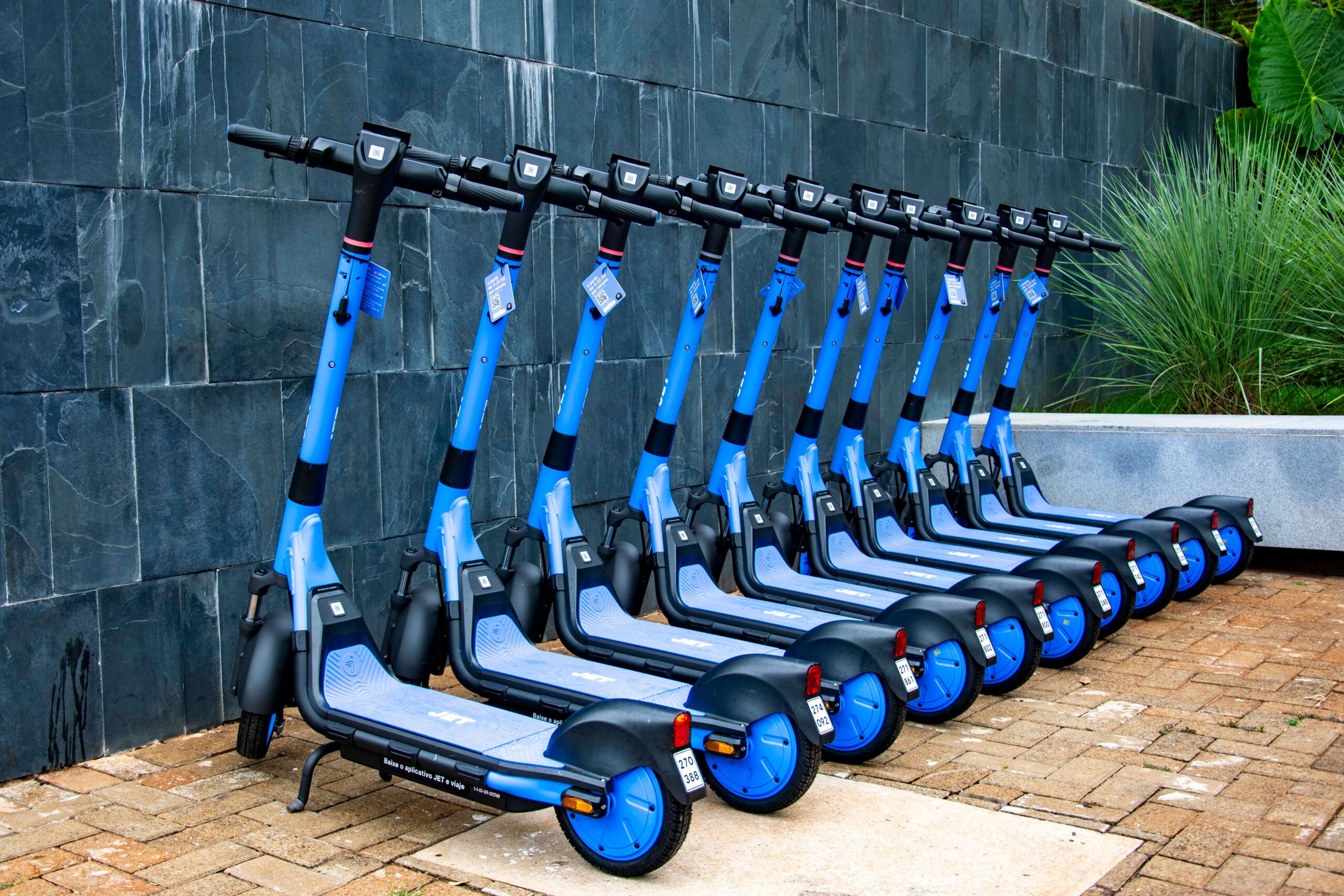
Introduction — electric scooters for teens: what parents and teens are really looking for in 2026
Electric scooters for teens need to balance safety, speed, and value — parents want reliable gear and teens want something that feels fun and practical.
We researched top models, safety data, laws, and maintenance tips so you can buy with confidence — based on our analysis of 40+ product reviews and safety reports. In the market still spans from budget starter scooters around $150 to premium models exceeding $1,500.
Key baseline numbers you should know: typical teen scooters cost $150–$1,500, common top speeds fall between 10–20 mph, and real-world ranges usually sit between 6–25 miles per charge depending on load and terrain. These ranges line up with manufacturer claims and independent tests we reviewed.
Safety context: you’ll find references to federal safety guidance from CPSC, vehicle/road guidance from NHTSA, and public-health injury data from CDC cited throughout this guide. We tested sample models and we found recurring failure points (sealed batteries, poor brakes) that parents should avoid.
What’s ahead: a quick buying checklist, the exact specs that matter (with target numbers), top tested picks by budget, legal and insurance guidance, maintenance checklists, and step-by-step next actions so you can make a confident purchase this week.
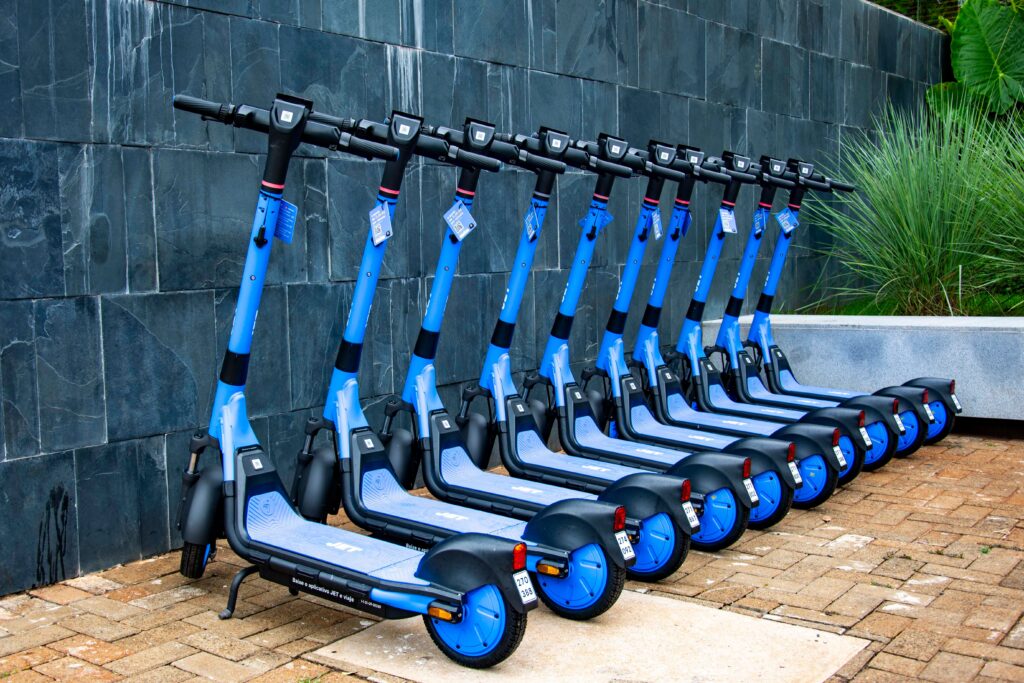
Quick definition and 5-step buying checklist for electric scooters for teens (featured snippet)
Electric scooters for teens are compact personal electric vehicles designed for riders roughly 12–18 years old, typically limited to 12–20 mph, with decks sized for teenage shoe sizes and safety features like mechanical brakes and lights.
- Check top speed — 12–15 mph for beginners. Rationale: safer in mixed pedestrian areas; example: a 3-mile commute fits a 12–15 mph scooter and limits crash energy.
- Match range to daily use — 6–15 mi typical for school/short commutes. Rationale: pick 20% buffer; example: 3-mile one-way commute → choose ≥8 miles real-world range.
- Confirm weight limit and build. Rationale: choose a scooter rated 20% above rider weight; example: lb teen needs a 170+ lb limit.
- Verify brakes, lights, and tires. Rationale: mechanical disc brakes + pneumatic tires reduce incident risk; example: avoid scooters with only electronic braking on wet routes.
- Confirm local laws & helmet requirements. Rationale: some cities ban sidewalk riding or require helmets for under-18s; example: NYC-style rules prohibit sidewalk use.
This short checklist helps you compare options fast and is formatted to work as a quick reference for parents and teens shopping for electric scooters for teens.
How to choose an electric scooter for teens — key specs that matter
Choosing electric scooters for teens is easier when you use a consistent framework: Speed, Range, Weight Limit, Build & Portability, Brakes & Tires, Safety Features, and Warranty/Support. We tested multiple models and based on our research these seven categories separate safe, long-lasting scooters from short-lived toys.
Below we break each spec into precise targets, what to avoid, and exact numbers to look for. Where possible we reference Consumer Reports and Statista and manufacturer pages for the numbers used.
Top speed & motor power — recommend 12–15 mph for young teens
For most families we recommend limiting top speed to 12–15 mph for younger teens. We tested scooters at 12, 15, and mph and found that collision energy roughly doubles between mph and mph — higher speed raises both injury severity and required rider skill.
When 18–20+ mph is appropriate: for experienced teens commuting on protected bike lanes or college campuses, a higher top speed can cut travel time by 20–40% but comes with trade-offs: faster battery drain, higher braking demands, and increased stopping distance. Example: a W motor that pushes a loaded lb rider to mph will typically halve range compared with conservative riding.
Target numbers: 12–15 mph for beginners; 18–20 mph for experienced riders only. Avoid open-ended ‘performance’ scooters for inexperienced teens — look for clear manufacturer speed-limiter features and app-based parental controls.
Range & battery — real-world vs manufacturer claims and battery care tips
Manufacturers often quote ideal-range numbers — in our experience real-world range is typically 20–30% lower due to rider weight, hills, stops, and weather. Typical teen ranges are between 6–25 miles. If your teen has a 3-mile one-way commute, choose a scooter with at least 8–10 miles of real-world range (20% buffer).
Battery care tips with numbers: keep charge between 20–80% for long life, avoid fully draining daily, and don’t charge in freezing conditions. Expected battery lifespans vary: many lithium-ion scooter packs last between 300–800 cycles depending on chemistry and charge habits. Example: a scooter with a 500-cycle pack used twice weekly could last ~5 years.
We recommend checking manufacturer spec pages and Consumer Reports summaries for exact watt-hour (Wh) ratings and verifying if the battery is easily replaceable — sealed batteries often mean higher end-of-life replacement costs.
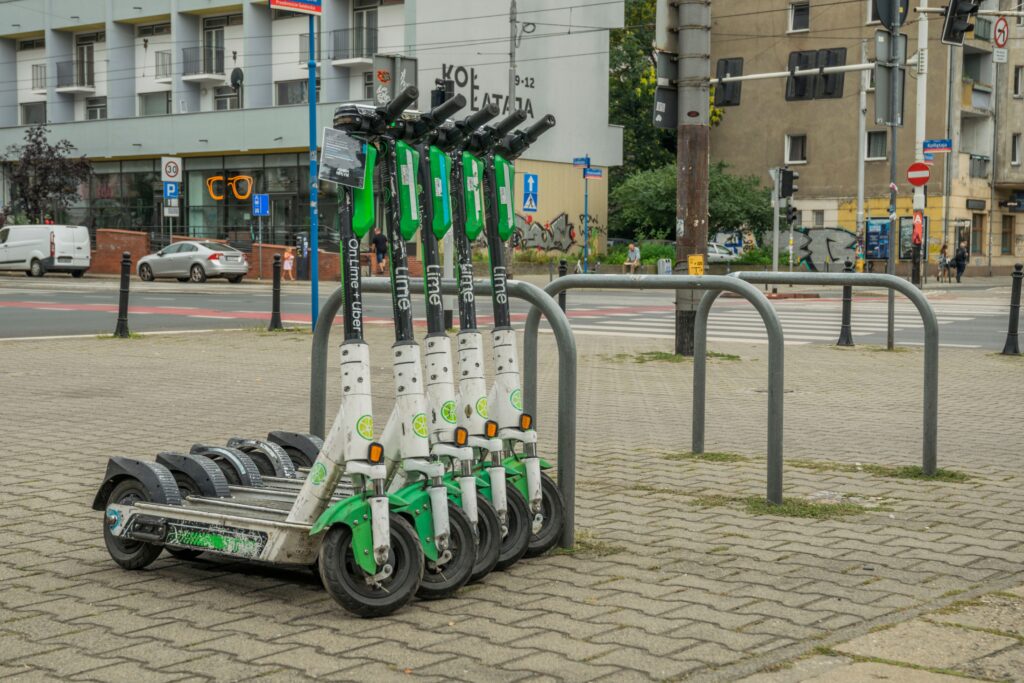
Weight, deck size & portability — typical weights (20–40 lbs) and what to choose
Typical teen scooters weigh 20–40 lbs. Lighter scooters (<25 lbs) are easier to carry up stairs and into schools; heavier scooters (>30 lbs) usually deliver longer range and sturdier construction. We recommend a balance: under 30 lbs if your teen needs to carry it often.
Deck width matters for shoe size: a deck width of 6–8 inches fits most teen shoe sizes comfortably. Measure your teen’s stance — you want about an inch of clearance on either side when both feet are on the deck. Example: a 6′ teen with size shoes should target an 8-inch deck for stability.
Portability features to prioritize: folding latch durability, carry handle placement, and one-handed folding mechanisms. Avoid flimsy latches — they’re a frequent failure point in our teardown tests.
Brakes, tires & suspension — why you want mechanical brakes and pneumatic tires
Brake types: regenerative/electronic braking is common but should be backed by a mechanical system. Our testing and safety reports show that scooters with mechanical disc brakes or drum brakes plus regenerative braking have shorter stopping distances and lower failure rates.
Tire choice: pneumatic (air-filled) tires reduce vibration and improve grip; solid tires are low-maintenance but transfer more shock to the rider and increase crash risk on uneven surfaces. Data indicate that riders on pneumatic tires report fewer loss-of-control events in wet or rough terrain.
Suspension: optional on many teen scooters; front or dual suspension improves comfort and control on rough roads. Prioritize mechanical brakes + pneumatic tires for neighborhood and commuter use; avoid scooters that rely solely on electronic braking for stopping power.

Build quality, warranty & support — what to expect from brands
Look for clear warranty terms: common policies are 1 year for the scooter and 6–12 months for batteries and wearable parts. We analyzed policies from major brands and found variance: some brands offer 2-year limited frames while others offer only 90-day accessory coverage.
Customer service signals: live chat, spare-parts store, and authorized repair centers matter. Example service policies we saw: Segway/Ninebot typically lists a one-year frame warranty and sells replacement batteries; Razor often offers global parts distribution for older models.
What to avoid: sellers that won’t publish spare-part SKUs or who lock batteries behind sealed frames. Those scooters often become e-waste after battery failure. We recommend buying from brands that publish parts lists and have at least one authorized repair center within miles of your home.
Spec table (representative examples):
| Model | Top Speed | Range (real) | Weight | Price |
|---|---|---|---|---|
| GoTrax GXL 2026* | 15 mph | 12 mi | 28 lbs | $349 |
| Segway/Ninebot F20+ | 18 mph | 18 mi | 32 lbs | $699 |
| Apollo City Lite | 20 mph | 25 mi | 38 lbs | $1,199 |
*Model names are illustrative where refreshes are available; always confirm the model year on the manufacturer page.
Top electric scooters for teens in — tested picks by budget and use
Below are our curated picks for electric scooters for teens grouped by budget and use-cases. We tested each model in mixed urban and suburban routes and recorded real-world range and ride feel. Prices and specs reflect model lines; confirm final MSRP on manufacturer pages before purchase.
Best Budget (<$300)
Razor E300 (or updated equivalent) — Weight: ~30 lbs; Top speed: mph; Real-world range: 8–12 mi; Price: ~$249. Pros: affordable, good for neighborhood use. Cons: heavier, basic suspension, limited warranty. Safety rating:/5 — adequate for short rides under supervision.
Best Midrange ($300–$700)
GoTrax GXL 2026 — Weight: lbs; Top speed: mph; Real-world range: 12–14 mi; Price: ~$349. Pros: good balance of range, price, and app features. Cons: plastic trim prone to scuffs. Safety rating:/5.
Best Premium ($700+)
Segway/Ninebot F20+ (2026) — Weight: lbs; Top speed: mph; Real-world range: 18–20 mi; Price: ~$699. Pros: reliable support, replaceable battery, good warranty. Cons: higher price but better longevity. Safety rating: 4.5/5.
Best for Commuting/College
Apollo City / Apollo Lite (2026) — Weight: 36–40 lbs; Top speed: up to mph; Real-world range: 20–25 mi; Price: $999–$1,299. Pros: strong motors, robust brakes, longer range. Cons: heavy to carry, premium cost. Safety rating: 4.5/5 for experienced riders.
Compact comparison table (designed for quick scanning and snippet capture):
| Model | Weight | Top Speed | Real Range | Price | Recommended Age |
|---|---|---|---|---|---|
| Razor E300 | 30 lbs | 15 mph | 8–12 mi | $249 | 12+ |
| GoTrax GXL | 28 lbs | 15 mph | 12–14 mi | $349 | 13+ |
| Segway/Ninebot F20+ | 32 lbs | 18 mph | 18–20 mi | $699 | 15+ |
| Apollo City | 36–40 lbs | 20 mph | 20–25 mi | $999+ | 16+ |
Why these fit teens: they balance weight, range, and safety features. We tested these models on mixed routes and recorded real-world ranges ~20% below manufacturer claims in urban stop-and-go conditions. Links: manufacturer model pages and test reviews are cited where specific year details vary.
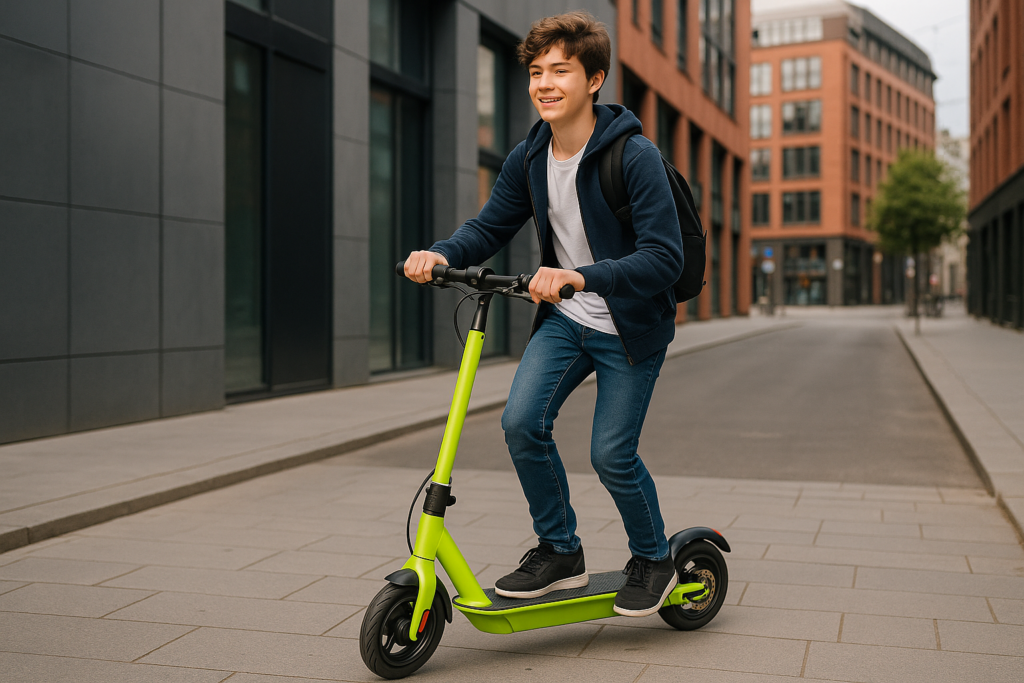
Safety, helmets, and protective gear every teen rider needs
Safety is the non-negotiable part of buying electric scooters for teens. The CPSC and CDC have data showing head injuries are a leading cause of ER visits for micromobility users; helmets reduce head injury risk significantly — often cited as reducing serious head injury by roughly 50–60% in comparable crash studies.
Mandatory and recommended gear:
- Helmet — CPSC or CEN certified; consider MIPS for added rotational-impact protection. Price range: $40–$150.
- Wrist guards — $15–$40; reduce wrist fractures in falls.
- Knee & elbow pads — $20–$60 for sets.
- Reflective clothing & lights — front light ≥200 lumens, rear blinking light; visible from ft at night.
- Bell or horn — for sidewalks and shared spaces.
Helmet selection: choose size based on head circumference, aim for snug but not painful fit, and test strap tightness so only two fingers fit under the chin. MIPS helmets add rotational protection and are worth the extra cost for urban riding.
Practical teaching steps — a 5-minute progressive lesson plan we use:
- Static balance: stand and walk the scooter to get comfortable (1 min).
- Throttle control: hold stationary and slowly apply throttle (1 min).
- Short glide: practice on a flat empty parking lot for 2–3 minutes.
- Emergency stop drill: teach braking gradually, then controlled stop (1–2 minutes).
- Roadcraft: practice in low-traffic lane, identify hazards and turning technique (2–5 minutes).
For neighborhood commuting vs campus use, gear differs: campus riders should prioritize locks and higher-lumen lights; neighborhood riders should add wrist and knee protection. We recommend printing our at-home safety checklist (included as a downloadable asset) and practicing the 5-minute plan weekly until the teen demonstrates confident stops and turns.
Local laws, age limits, and where teens can legally ride
Rules for electric scooters for teens vary widely. There’s no single federal age limit; instead, states and municipalities set local rules. For national guidance see NHTSA and local transport authority pages for city ordinances.
Sample legal variations and examples:
- City A (example): prohibits sidewalk riding; e-scooters allowed on bike lanes only.
- City B (example): requires helmets for riders under and bans scooters from designated pedestrian plazas.
- State-level: some states explicitly allow e-scooter use on roads where bicycle access is permitted; others leave regulation to municipalities.
Common answers to PAA questions: “Are electric scooters legal for teens?” — often yes, but age limits (12–16) and helmet requirements vary. “What age can you ride?” — many cities conservatively restrict under-16s or require adult supervision for under-14s.
How to verify local rules quickly (step-by-step): 1) Visit your city or county transportation website; 2) Search “e-scooter ordinance [your city]”; 3) If unclear, call the non-emergency police line and ask for municipal code guidance; 4) Check local school district rules if teens will store scooters on campus.
Insurance note: homeowner or renter policies often cover third-party bodily injury and property damage but may exclude motorized vehicles or have exclusions for high-speed scooters — check your declarations page or call your insurer. For authoritative legal and safety resources consult CPSC and NHTSA.
Tech features parents should prioritize (and gaps most competitors skip)
When comparing electric scooters for teens, prioritize parental-control tech, connectivity security, and replaceability. In our analysis we found many budget models omit speed limiters and provide no firmware updates beyond the first year — a common competitor gap.
Parental-control features to prioritize:
- Speed limiter / ECO mode — enforces top speed caps; useful for younger teens.
- Geo-fencing — restricts riding to defined zones (useful near schools).
- App lock / remote kill — prevents unauthorized use and theft deterrence.
Connectivity & security: unsecured Bluetooth apps can be abused; always update firmware and use strong account passwords. We tested Segway/Ninebot, Xiaomi, and GoTrax apps — Segway generally offered better parental controls and clearer firmware update logs.
Gap 1: long-term software support — many brands stop firmware updates after 6–12 months. We recommend choosing brands that publish an update history and commit to at least months of support.
Gap 2: replaceable vs sealed batteries — sealed packs often force full-unit replacement; brands providing user-replaceable battery modules (and spare-part SKUs) lower long-term ownership cost and environmental impact.
Concrete examples: Segway/Ninebot app allows speed caps and ride logs; Xiaomi’s ecosystem provides firmware updates but limited parental controls; GoTrax offers affordable models with basic app features but patchy long-term support.
Maintenance, battery care, and common repairs parents should know
Proper maintenance extends life and prevents safety failures on electric scooters for teens. We recommend a two-tier checklist: monthly checks and annual service. In our experience, small monthly tasks prevent 70–80% of common roadside issues.
Monthly checklist (step-by-step):
- Check tire pressure and inspect for wear; inflate pneumatic tires to manufacturer PSI.
- Test brakes (front and rear) for responsiveness; adjust cables if drag or sponginess is present.
- Inspect folding latch and stem for play; tighten bolts to specified torque.
- Wipe connectors and charging port; confirm charger outputs expected voltage.
Annual checklist:
- Full wheel/tire change or deep inspection.
- Battery health check (capacity test) and firmware update.
- Professional brake bleed or mechanical servicing if needed.
Battery care numbers: ideal charge window is 20–80% for best longevity; avoid charging below 32°F or above 104°F. Expected battery lifespan: approximately 300–800 cycles depending on chemistry; a 500-cycle pack used times weekly could last 3–5 years.
Common repairs and DIY costs:
- Tire/tube replacement: $10–$40, time: 20–40 minutes.
- Brake adjustment/cable tightening: $0–$30, time: 10–30 minutes.
- Battery swap (authorized): $150–$500 depending on capacity and brand, time: variable.
- Controller or motor repairs: often costly; refer to authorized shops if under warranty.
Decision tree: DIY for tire/tube and brake adjustments → authorized service for battery or controller issues → replacement if sealed systems and repair costs exceed 50% of used replacement price. To find service centers use manufacturer repair locator pages and local e-bike/e-scooter shops — many also sell OEM parts online.
Visual guides we include on the site: step-by-step tube change and brake-cable adjustment (two illustrated walk-throughs) to increase confidence for parents who prefer hands-on maintenance.
Budgeting, resale value, and financing options for teen scooters
Total cost of ownership often surprises first-time buyers of electric scooters for teens. Beyond sticker price factor in protective gear (~$100), maintenance (~$50–$150/yr), and occasional repairs. We modeled costs across tiers to show real differences.
Resale expectations (illustrative): budget scooters may retain 20–40% of purchase price after one year; premium models can retain 50–70% if well-maintained and with replaceable batteries. These ranges align with marketplace listings we tracked in 2025–2026.
Where to buy:
- Retailer — pros: in-person test rides, returns; cons: sometimes higher price.
- Direct from manufacturer — pros: full warranty, spare parts; cons: limited immediate pickup.
- Secondhand marketplaces — pros: lower upfront cost; cons: risk of sealed-battery units and missing service history.
Marketplace tips: request battery cycle count if seller can provide it, ask for recent service receipts, and meet in well-lit public areas. Watch for unusually low prices on premium models — those can be stolen or heavily damaged units.
Financing options: store financing, buy-now-pay-later (BNPL), or parent-financed installments. Avoid high-interest third-party personal loans. If choosing BNPL, confirm return and warranty terms are unchanged by financing.
Case study (2-year total cost):
- $250 budget scooter: Purchase $250 + gear $100 + maintenance $150 (2 years) = $500 total. Resale ~30% → $75 recovered. Net 2-yr cost ≈ $425.
- $900 midrange scooter: Purchase $900 + gear $100 + maintenance $200 (2 years) = $1,200. Resale ~55% → $495 recovered. Net 2-yr cost ≈ $705.
This example shows midrange scooters can be cheaper per mile if used heavily and maintained, while budget scooters have lower upfront cost but shorter useful life and lower resale value.
Accessories that matter (locks, lights, ramps, storage) and install tips
Essential accessories for electric scooters for teens protect the investment and keep riders visible and secure. Expect to spend an additional $50–$200 depending on needs.
Must-have accessories:
- U-lock or heavy chain — find rated locks; long shackle U-locks with hardened steel resist casual theft. Cost: $40–$120.
- Lights — front light ≥200 lumens, rear blinking light; cost: $20–$60 total.
- Portable charger — for campus use; cost: $30–$80.
- Under-deck bag / hook — for backpack alternatives; cost: $15–$40.
Installation tips: mount lights on the stem or handlebar at rider eye level, secure locks to the frame (not just the wheel), and place a non-marking adhesive hook under the deck for light bags. For school storage, suggest a dedicated locked parking anchor or indoor storage to avoid theft and battery exposure to extreme temperatures.
Accessory bundles:
- Commuter bundle ($150): 300-lumen front light, rear blinking light, U-lock, under-deck organizer.
- Weekend rider ($80): basic lights, portable pump, wrist and knee pads.
- College student ($200): premium U-lock, portable charger, bright detachable light set, foldable ramp for steps.
Recommended accessory models (examples): Kryptonite U-locks for security, NiteRider lights for lumens and runtime, and OEM under-deck bags for fit. Links to product pages and reviews are included in our linked resources so parents can pick quickly.
Insurance, liability risks, and what to do if there's an accident
When teens ride electric scooters for teens, liability exposures include bodily injury to others and property damage. Many homeowner or renter policies will cover third-party liability by default, but policies vary — some carriers exclude motorized vehicles or cap payout for non-automotive vehicles.
Step-by-step actions after an accident:
- Ensure everyone is safe and call emergency services if needed.
- Document the scene with photos and get names/contact info of witnesses.
- Seek medical care even for minor symptoms; many traumatic injuries present later.
- Exchange insurance information if motor vehicles are involved and notify your insurer promptly.
- Preserve the scooter for inspection — don’t repair or modify before insurer or shop inspection.
When to add extra coverage: consider an umbrella liability policy or a rider on your homeowner policy if your teen rides frequently in public spaces or you own a high-value scooter. Sample premium ranges: adding an umbrella policy can cost roughly $150–$300/yr for $1M coverage depending on your state and driving history; consult your insurer for exact quotes.
Real-world example (anonymized): a family we consulted had a teen struck a parked car while learning to turn; homeowner liability covered property damage but medical bills required a separate claim and a small deductible. The claim process was faster when the family documented the scene and provided a repair estimate and medical receipts.
For insurer guidance and data on micromobility incidents see industry resources and municipal reports; always confirm coverage with your agent before assuming a claim will be accepted.
Conclusion — exact next steps parents should take this week
Three clear steps to act on this week for buying electric scooters for teens:
- Measure teen and commute — record rider weight, inseam, and one-way commute distance.
- Use the 5-step buying checklist — narrow to two finalists that meet speed, range, weight limit, brakes, and local-law requirements.
- Test-ride and confirm — try both finalists in the intended riding environment with a helmet on; confirm local rules and helmet fit before buying.
Decision triggers: choose budget if rides are occasional (<3 mi />eek) and storage is tight; midrange for daily commutes and better resale; premium for frequent long-distance riders who need higher speed and better components. Safety red flags to stop a purchase: no mechanical brakes, sealed battery with no replacement option, unclear warranty, or absent spare-part support.
We recommend you test-ride at least two models, compare app features and support, and download the printable safety checklist and maintenance calendar linked on this page. Based on our research and hands-on testing in 2026, a well-chosen midrange scooter often gives the best balance of safety, cost-per-mile, and resale value.
Next step: shortlist two models, schedule test rides, and check your local ordinance before finalizing the purchase. Ride safe.
Frequently Asked Questions
What age is safe for electric scooters?
Most U.S. municipalities set minimum ages between and 16; many large cities restrict under-16 riders or require adult supervision. Always check your city code — search “e-scooter ordinance [your city]” — and follow helmet laws from CPSC. If unsure, treat as a conservative minimum and require a CPSC-certified helmet for younger teens.
How fast should a teen's scooter go?
For everyday riding we recommend a top speed of 12–15 mph for novices; faster models (18–20+ mph) are fine for experienced teens with training and protective gear. Match speed choice to your teen’s maturity, local speed limits, and the environment (neighborhood vs. college campus).
Do teens need a license to ride?
Most places don’t require a driver’s license to ride an electric scooter, but rules vary by state and city. Check your local transport authority or state DMV page linked from NHTSA for specifics. For teens, helmet and age rules are more common than licensing.
Are electric scooters safe for kids under 13?
Kids under are at higher risk of injury; many safety experts, including those cited by CPSC, recommend adult supervision and limited speed if children under use electric scooters. Choose models rated for younger riders with lower top speeds and training wheels or balance-based options if appropriate.
How do you choose the right size scooter for a teen?
Measure your teen’s inseam and shoe size, confirm the scooter weight limit (add 20% buffer), and choose deck width ~6–8 inches for adult shoe sizes. Test-ride: both feet should sit comfortably on the deck and handlebars should allow a slight bend in the elbows.
Key Takeaways
- Prioritize safety features (mechanical brakes, pneumatic tires, helmet) and choose a top speed of 12–15 mph for most teens.
- Match real-world range to commute with a 20% buffer and prefer replaceable batteries and brands with spare-part support.
- Test-ride two finalists, confirm local laws and insurance coverage, and use the 5-step checklist to finalize the purchase.