
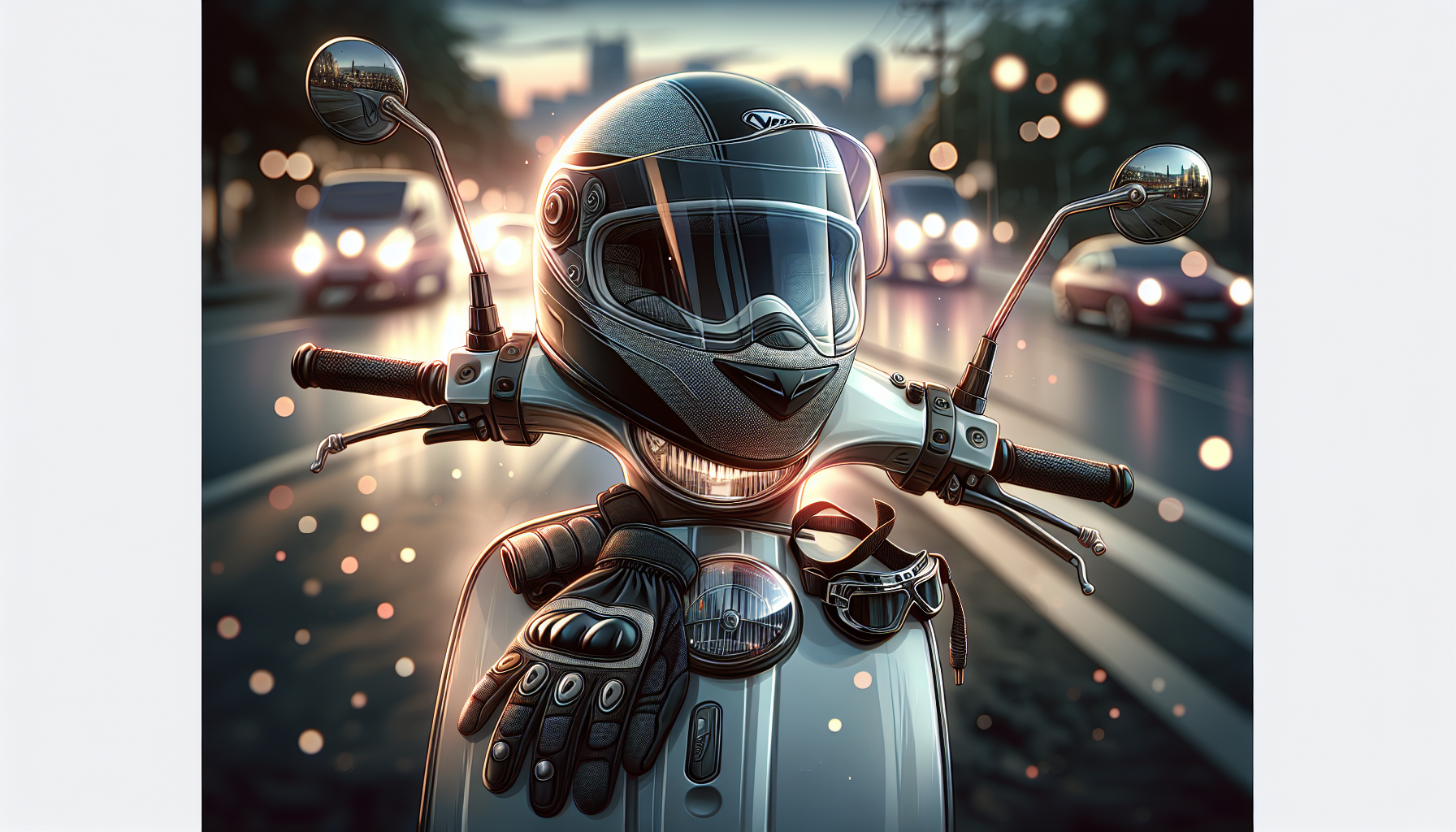
Do you know which pieces of safety gear will actually protect you on your next scooter ride?
What Safety Gear Is Essential For Scooter Riders?
You want every ride to be fun, quick, and uneventful. The right safety gear turns small mistakes into forgettable moments instead of painful ones. Whether you ride a kick scooter, an electric stand-up scooter, or a seated scooter that’s closer to a moped, your gear choices make the biggest difference when things go wrong.
Essential gear starts with a properly certified helmet. From there, add eye protection, gloves, abrasion-resistant clothing with impact armor, sturdy footwear, and high-visibility elements. Then round it out with lighting, hearing protection when appropriate, and weather-ready layers. You’ll find a setup that fits your style and your rides once you understand why each piece matters.
Start With the Foundation: The Helmet
Your helmet is the single most important piece of gear you own. It protects your brain from both direct hits and rotational forces, which are common in low- and mid-speed falls. Even a simple tip-over at 10–15 mph can send you headfirst onto pavement if your hands slip off the bars.
Helmet Types for Scooter Riders
Your choice depends on speed, distance, and traffic. You have a few main options:
- Commuter/cycling-style helmet: Light, ventilated, and fine for lower-speed scooters (often up to about 20–25 mph) if it carries a proper certification for impact protection. Some models add extended coverage around the temples and back of the head.
- Skate-style helmet: Round profile with more coverage at the back. Good for frequent start-stop city riding and trick-style falls. Make sure it’s certified for multiple hits or has a strong single-impact rating.
- Full-face helmet: Best for higher speeds and busy traffic, protecting your chin, face, and jaw. Many scooter crashes involve forward pitching, so chin coverage matters if you ride faster or on rough pavement.
- Modular (flip-up) helmet: Convenient for commuting stops. You’ll still want a model with reliable certification and a solid chin bar lock.
What to Look for in a Helmet
Go beyond looks and pick a helmet by its safety credentials and fit.
- Certifications to consider:
- CPSC (US), EN 1078 (EU): Common for bicycle-style helmets and often used for commuter scooters.
- ASTM F1492: Skate-style protection, useful for trick falls; make sure it’s paired with a bicycle impact standard if you ride at speed.
- NTA 8776: Designed with higher-speed e-bikes in mind; a solid match for mid-speed e-scooters.
- DOT FMVSS 218, ECE 22.06, Snell: Motorcycle-grade. If your scooter reaches 28+ mph or you ride among fast cars, this level of protection makes sense.
- Fit and retention:
- Measure your head circumference just above the eyebrows and match the sizing chart.
- The helmet should feel snug but not painful, with even contact all around.
- With the chin strap tightened (two fingers of slack maximum), shake your head. The helmet should not shift independently.
- Features that add real value:
- MIPS or similar rotational-impact systems to reduce brain shear in angled impacts.
- Extended rear and temple coverage for improved protection at common impact points.
- A visor or visor-capable design for eye and face protection.
- Reflective accents or a mount for a rear-facing helmet light.
When to Replace Your Helmet
- After any impact where the shell hit the ground, even if you don’t see cracks.
- If you notice crushed foam, delamination, or a loose fit that didn’t exist before.
- After 3–5 years of regular use, since UV exposure and sweat can degrade materials.
Your helmet is only as good as its fit and condition. Treat it as a wearable seatbelt: you hope you never need it, but you’ll be grateful when you do.
Eye Protection: Protect Your Vision and Focus
Clear vision keeps you in control. Dust, insects, and wind can trigger reflexive blinks or watering that pull your attention from the road.
Options for Eye Safety
- Full-face visor: A built-in shield on a full-face or modular helmet gives complete coverage.
- Riding glasses: Shatter-resistant lenses (polycarbonate or Trivex) with wrap-around coverage are light and ventilated.
- Goggles: A tighter seal for dusty routes or windy days, especially useful with open-face or skate-style lids.
Lens Tips
- Clear lenses for night and overcast days.
- Light smoke or photochromic lenses for daytime brightness without distorting traffic light colors.
- Anti-fog coatings or dual-pane options help in cool, humid conditions.
Gloves: Save Your Hands From the First Instinct
Your hands instinctively reach out in a fall. Without gloves, palms and fingers take the hit, often leading to nasty road rash or fractures.
What Good Gloves Provide
- Palm protection: Reinforced zones or sliders reduce abrasion and help your hands glide rather than grab.
- Knuckle and finger armor: Soft or hard protection helps with scrapes and light impacts.
- Grip and control: Silicone or textured palms improve hold in the rain and keep your throttle/brakes steady.
- Touchscreen fingertips: Helpful for navigation stops so you don’t have to remove gloves.
Materials and Fit
- Leather offers unmatched abrasion resistance at higher speeds.
- Textile or hybrid gloves breathe better and can be waterproofed.
- The cuff should cover the wrist bone, with a secure closure that won’t pop open mid-slide.
- Fit should be snug with full finger articulation and no pressure points.
Upper-Body Protection: Jackets, Hoodies, and Armor Shirts
Your shoulders, elbows, and back are frequent impact and abrasion zones. An ordinary sweatshirt won’t hold up to sliding on asphalt.
Abrasion and Impact Basics
- Abrasion resistance: Textiles like Cordura or tightly woven nylon, and leather panels, help you slide without tearing through.
- Impact armor: CE-rated pads absorb and spread force. Look for CE EN 1621-1 (shoulders/elbows) and EN 1621-2 (back). Level 2 offers greater protection than Level 1.
Common Options
- Riding jacket: Purpose-built with abrasion-resistant shells, armor pockets, vents, and reflective trim. Available in mesh (hot weather), textile (all-season), and leather (maximum abrasion resistance).
- Armored hoodie: Casual look with integrated aramid reinforcement and discreet armor pockets. Great for urban rides if you choose a model with strong materials and secure stitching.
- Armor shirt: A tight, armored base layer worn under any outer garment. This lets you use different shells depending on weather while keeping impact protection close to your body.
Fit Notes
- Armor should sit precisely over your joints, not float around. When you reach forward to your bars, it should still stay in place.
- Vents improve comfort, making it more likely you’ll wear your gear in heat.
Lower-Body Protection: Pants, Jeans, and Separate Pads
Your hips, knees, and thighs can hit the ground hard. Regular jeans often rip within inches of the first slide.
Pants That Work
- Riding jeans: Look for aramid or UHMWPE (ultra-high-molecular-weight polyethylene) reinforcement in high-risk zones, plus knee and optional hip armor. Many models feel like regular denim but protect much better.
- Textile or leather pants: Zip to a jacket for all-around protection and more secure armor placement. Vent panels make warm-weather versions surprisingly comfortable.
- Separate knee/shin guards: Worn under regular pants when you want impact protection but need to arrive looking casual.
Fit and Function
- Armor should sit centered on your kneecaps when seated and standing. Adjustable pockets help.
- Stretch panels and gussets keep mobility high for kicking off the line and quick foot-down moments.
Footwear: Ankle Protection Matters
Scooter falls often twist ankles and drag toes. Shoes with thin soles and low tops leave you exposed.
What to Look For
- Over-the-ankle height: Protects your malleolus (ankle bone) and adds stability.
- Reinforced toe and heel: Helps with impacts and abrasion.
- Grippy, oil-resistant sole: Holds onto deck grip tape and wet pavement at stoplights.
- Secure lacing with a covered knot or a quick-lace system so nothing catches in the wheel or drivetrain.
- Reflective accents or a light loop at the heel improve visibility.
Types That Work
- Riding sneakers: Casual style with hidden reinforcements.
- Short riding boots: More support, often with shift pads (even if you don’t shift, the reinforcement helps with toe scuffs).
- Waterproof options for rainy climates keep your feet warm and dry.
Elbow and Knee Pads: Layer-in Protection for Any Outfit
If you prefer a lighter outer layer, you can still add impact protection directly to your joints.
Pad Styles
- Sleeve-style: Pull-on pads that stay in place well under slim pants or a jacket.
- Strapped guards: Adjustable and easy to take on or off over clothing.
- Hardshell vs. softshell: Hardshells slide better on pavement, while softshells are lighter and more breathable.
Fit Guidance
- Choose pads that do not slip when you bend deeply or straighten. Jump in place a few times; they should stay put.
- Pair with abrasion-resistant outer layers whenever possible, even if it’s just reinforced panels in likely slide zones.
Be Seen: Visibility Gear and Strategies
A lot of scooter riding happens in urban traffic with distracted drivers. You need to stand out both in daylight and darkness.
Make Yourself Noticeable
- High-visibility vests or jackets in fluorescent yellow, orange, or lime improve daytime contrast.
- Reflective elements shine under headlights at night. Add reflective stickers to your helmet, backpack, and scooter stem.
- Contrasting colors and simple patterns make you look like a human rather than just another roadside object.
Motion-Based Visibility
- Ankle and wrist reflectors are powerful because they move as you ride, catching drivers’ eyes.
- Helmet lights at eye level help drivers judge your position and speed.
Light Your Path: Scooter and Rider Lighting
You see better with good lighting, and others see you. Many scooters come with basic lights, but upgrades can be a big safety boost.
Lighting Priorities
- Front light: A bright, focused beam that projects far enough to react to potholes at your speed.
- Rear light: Steady red with a brighter brake function if possible. If your scooter lacks a brake light, add a smart flasher that brightens during deceleration.
- Side visibility: Wheel, deck, or spoke lights increase your profile at intersections.
- Helmet/bike-mounted lights: Aim where you look, giving you an advantage on dark paths and turns.
Aim and Etiquette
- Aim your headlight slightly down to avoid blinding oncoming traffic.
- Use a lower setting or a diffused beam when riding on shared paths to be courteous.
Listening Safely: Hearing Protection and Awareness
Wind noise and traffic at speed can be loud enough to fatigue your hearing over time, even on a scooter.
When Earplugs Make Sense
- Long commutes at 20+ mph can create sustained wind noise.
- Foam or filtered earplugs reduce harmful frequencies but still let you hear horns and sirens.
- Avoid loud music that masks environmental cues. Keep situational awareness high.
Weather-Ready Riding: Rain, Heat, and Cold
Weather is one of the biggest reasons riders skip gear. Choose pieces that match your climate so you’ll actually wear them.
Rain Strategy
- Waterproof-breathable shells with sealed seams keep you dry. Look for well-covered zippers and storm flaps.
- Over-the-pant rain layers with full-length side zips go over shoes easily.
- Waterproof gloves with a wiper on the index finger help clear water from visors and glasses.
Hot and Cold Tips
- Hot weather: Mesh jackets with armor let air flow while keeping abrasion resistance. Light gloves with good palm protection are still a must.
- Cold weather: Layer a thermal base under your jacket, use a windproof neck tube, and consider insulated gloves. Heated glove liners are a game-changer for early mornings.
Know Your Standards: What the Labels Mean
Labels aren’t just marketing. They tell you how a product performs in controlled tests.
Common Certifications You’ll See
- Helmets:
- CPSC (US bicycle standard), EN 1078 (EU bicycle): Baseline impact protection for lower to mid-speed use.
- ASTM F1492: Skate-style; best paired with a bicycle impact standard for e-scooters.
- NTA 8776: E-bike standard for higher-energy impacts than typical bicycle standards.
- DOT, ECE 22.06, Snell: Motorcycle-grade for higher speeds and heavier traffic.
- Armor:
- EN 1621-1: Shoulders, elbows, hips, knees. Level 2 absorbs more energy.
- EN 1621-2: Back protectors, Level 1 or 2.
- EN 17092: Abrasion performance classes for garments (motorcycle-focused but useful guidance: higher letters mean stronger).
Understanding these helps you match gear to your riding risk.
Match Gear to Your Speed and Route
Your scooter’s top speed, your typical pace, and your traffic environment should guide your minimum setup.
Practical Recommendations by Use Case
The table below gives you a starting point. You can always step up a tier if you want more protection.
| Riding profile | Helmet recommendation | Core protection | Footwear | Visibility add-ons |
|---|---|---|---|---|
| Short urban trips, <15 mph, light traffic< />d> | CPSC/EN 1078 or ASTM+cycling skate-style | Gloves, knee pads or aramid-lined jeans, light elbow pads | Over-ankle riding sneakers | Reflective bands, helmet light |
| Daily commute, 15–25 mph, mixed traffic | NTA 8776 or extended-coverage bicycle-style; consider full-face | Armored jacket/hoodie (shoulders, elbows, back), riding jeans with knee/hip armor, full gloves | Over-ankle boots or reinforced sneakers | Hi-vis vest, rear flasher, side reflectors |
| Performance scooters, 25–40+ mph, busy roads | Full-face (ECE 22.06/DOT), optional MIPS-like tech | Motorcycle-grade jacket and pants with Level 2 armor, full-length gloves, back protector | Short or mid-height riding boots | Hi-vis jacket, helmet and rear lights, reflective tape |
| Night riding or poor weather | As above for speed, with anti-fog visor/glasses | Waterproof outer layers, thermal base (cold), vented mesh (hot) | Waterproof boots or covers | Extra front/helmet light, bright rear brake light |
Use this as a baseline and adjust based on your confidence, road conditions, and how exposed you feel in traffic.
Fit and Sizing: Comfort Is Safety
If gear doesn’t fit, it won’t protect you properly, and you’ll be tempted to leave it at home. Take a few minutes to size things right.
- Helmet: Measure head circumference and try multiple shell shapes. Shake-test for stability. The strap should sit under the jawbone, not the throat.
- Gloves: Fingers should reach the tips without pressure. Make a fist; no cutting circulation. The wrist closure must hold snugly.
- Jackets/pants: Assume a riding stance in the mirror. Armor should not shift off joints when you reach for the bars or bend your knees.
- Boots: Your heel shouldn’t lift when you walk. Check ankle padding sits over the bone.
If you’re between sizes, choose the one that keeps armor in place while allowing full movement.
What Will It Cost? Budgeting for Safety
You can build a smart kit at nearly any budget. Focus your money where it brings the biggest safety gains: helmet and gloves first, then abrasion and impact protection, then visibility.
| Budget tier | Suggested purchases | Typical price range (USD) | Why this works |
|---|---|---|---|
| Essential starter | Certified helmet, full-finger gloves, reflective bands, knee pads | $120–$250 | Covers the biggest risks (head and hands), adds simple joint protection and visibility. |
| Commuter value | Helmet with rotational tech, armored hoodie/jacket, riding jeans, ankle-high riding sneakers, basic lights | $300–$600 | Balances protection and comfort so you’ll wear it daily. |
| Premium commuter | Full-face or NTA 8776 helmet, CE Level 2 armor, waterproof layers, high-output lights, back protector | $600–$1,200 | Better impact/abrasion performance, all-weather usability, strong night visibility. |
| High-speed/performance | ECE/DOT full-face, motorcycle-grade jacket/pants with zip connection, Level 2 armor, riding boots, advanced lighting | $1,000+ | Appropriate for higher-energy crashes and fast traffic environments. |
Prices vary widely by brand and sales. Buy the best helmet you can afford, then fill in the rest over time.
Care and Replacement: Keep Gear Working
Your gear is an investment. A little maintenance keeps it protective and comfortable.
- Cleaning: Follow the label. Use gentle detergents. Remove armor before machine washing jackets/pants.
- Drying: Air dry away from direct heat. High heat can damage adhesives and foams.
- Leather care: Use appropriate conditioners to prevent cracking.
- Helmet liners: Many are removable and washable. Keep them fresh to avoid odors and skin irritation.
- Checks: Inspect stitching, zippers, and armor placement every few weeks. Replace worn Velcro and stretched straps.
- Replacement: Retire gear with torn abrasion layers, crushed armor, or a helmet after any significant impact.
Commuter Logistics: Carrying and Storing Gear
You’ll ride more consistently if your gear is easy to manage before and after your trip.
- At work or school: Keep a small gear bin or locker for jacket, gloves, and rain layers. A folding helmet stand helps it dry.
- On the scooter: Use a backpack with a helmet clip or a small tail bag for gloves and a vest. Dry bags double as rain covers.
- Security: Avoid hanging helmets on handlebars outdoors for long periods; UV and weather degrade materials.
Legal Basics: Know Your Local Rules
Requirements vary by city and country. Some places mandate helmets for all ages; others specify minimum lighting, a bell/horn, or reflectors after dark.
- Check your local transportation or road authority website for the latest rules.
- Even if not required, wearing a helmet and running lights makes you a better bet in any conditions.
- Consider liability and insurance implications; proper gear can show you took reasonable precautions.
Simple Checklists: Pack Fast, Ride Confident
A quick mental list helps you roll out in minutes without forgetting something important.
Daytime Fair-Weather Checklist
- Helmet with snug strap
- Riding gloves
- Armored jacket or hoodie
- Riding jeans with knee armor
- Over-ankle footwear
- Sunglasses or visor
- Reflective bands on ankles or wrists
Night or Low-Visibility Checklist
- Everything above, plus:
- Front light aimed correctly
- Bright rear light or brake light
- Helmet-mounted light or reflective tape
- Clear, anti-fog eye protection
- Hi-vis vest or jacket
Rainy-Day Checklist
- Waterproof-breathable jacket and over-pants
- Waterproof gloves
- Waterproof boots or shoe covers
- Microfiber cloth or visor wipe
- Packable dry bag for electronics
Common Mistakes and How to Avoid Them
You’ll sidestep a lot of trouble by skipping these pitfalls.
- Loose helmet straps: A perfect helmet can fail if the strap is slack. Two-finger rule under the strap is a good check.
- Fashion-first gloves: Fingerless or thin fashion gloves shred instantly. Choose real riding gloves with reinforced palms.
- Armor that floats: Pads that shift off knees or elbows won’t help in a crash. Adjust or upgrade to more secure designs.
- All-black at night: Dark gear disappears in headlights. Add reflective tape or a hi-vis layer.
- Ignoring footwear: Low-top casual shoes leave ankles exposed. Step up to over-ankle shoes or boots.
- Overheating in heavy gear: If you sweat constantly, you’ll stop wearing it. Switch to mesh or ventilated options for hot months.
If You Fall: Safer Movement and Mindset
No one plans to crash, but having a plan can reduce injuries.
- Keep your hands protected: This starts with gloves. Palms down is instinctive, but armored palms help manage the force.
- Tuck your chin: If you don’t have a full-face helmet, protecting your jaw becomes tricky. This is why full-face is smart at higher speeds.
- Roll if you can: Rolling spreads impact energy over a longer period and reduces direct hits.
- Don’t fight the slide: Let abrasion-resistant gear do its job. Trying to stand up too early can lead to a second, worse fall.
- After the fall: Get off the roadway if possible, assess injuries, and check your gear for damage before riding again.
Kids and Teens: Growing Riders Need Proper Gear
Younger riders have smaller frames and faster growth spurts. Fit and visibility are even more important.
- Helmet fit: Measure carefully and use thicker pads for a snug fit. Replace as they grow.
- Bright colors: Fluorescent jackets and reflective stickers boost visibility for shorter riders who might be hidden by parked cars.
- Gloves and knee/elbow pads: Lightweight but secure options make it easier to convince kids to wear them every ride.
- Rules and routes: Teach lane positioning, braking early, and scanning. Choose low-traffic streets and protected lanes where possible.
Smart Gear and Helpful Tech
Technology can add a helpful safety net without much effort on your part.
- Smart helmets: Integrated lights, brake detection, and even turn signals. Some link to apps for crash detection.
- Action cameras: A chest or helmet cam can record incidents for proof if something happens. Don’t let filming distract you.
- Brake-sensing tail lights: Standalone units brighten on deceleration for riders whose scooters lack this feature.
- Navigation mounts: A stem or handlebar mount reduces the urge to look down at your phone in motion.
- Reflective smart fabrics: Newer materials are matte by day and glow under headlights at night.
Comfort, Sustainability, and Long-Term Use
Comfort keeps you wearing your gear, and durable choices reduce waste.
- Ventilation: Look for zippered vents and breathable liners for hot days.
- Layering: Swap base layers by season rather than buying multiple heavy jackets.
- Durable construction: Strong stitching, quality zippers, and replaceable armor mean a longer life.
- Care and repair: A little maintenance saves money and keeps gear out of landfills longer.
Quick FAQs
A few short answers can help you make faster decisions.
-
Do you need a full-face helmet on a scooter?
- If you ride above about 20–25 mph regularly or in busy traffic, a full-face helmet significantly increases protection for your chin and face. For slower urban trips, an extended-coverage bicycle or NTA 8776 helmet can be sufficient if it fits perfectly.
-
What’s the minimum gear for a quick neighborhood ride?
- A certified helmet and full-finger gloves are the bare minimum. Add knee protection and reflective elements if you’ll be crossing busy streets.
-
Are regular jeans okay?
- Regular denim tears quickly on pavement. Riding jeans with aramid or similar reinforcement and knee/hip armor give much better protection with a similar look.
-
Do you really need gloves in summer?
- Yes. Palms hit first in many falls. Choose ventilated gloves with reinforced palms to stay cool and protected.
-
Is hi-vis clothing necessary in daylight?
- It’s not mandatory, but it helps drivers notice you in peripheral vision. A compact hi-vis vest in your bag is a simple upgrade for gray skies or traffic-heavy routes.
-
When should you replace a helmet?
- After any impact or every 3–5 years of regular use. If it’s been dropped hard or shows damage, replace it sooner.
-
What about earphones or ANC earbuds?
- Avoid noise-canceling modes that block environmental sounds. If you use earbuds, keep volume low and one ear free in jurisdictions that allow it. Filtered earplugs are better for reducing wind noise while keeping situational awareness.
-
Do you need motorcycle gear for a stand-up e-scooter?
- It depends on your speed and traffic. For scooters above 25 mph or routes with fast cars and complex intersections, motorcycle-grade helmet and apparel become the smart choice.
Put It All Together: Your Essential Kit
Here’s a streamlined way to think about your gear:
- Always wear: A certified, properly fitted helmet and full-finger gloves.
- Add for any ride with traffic: Abrasion-resistant top and bottom with impact armor at shoulders, elbows, back, knees, and ideally hips.
- Don’t forget: Over-ankle footwear and high-visibility elements that work day and night.
- Upgrade as needed: More powerful lights, waterproof layers, and a full-face helmet for speed, darkness, or busy roads.
You don’t have to buy everything at once. Start with the basics, pick one upgrade at a time, and build a kit that suits your routes, your climate, and your style. The difference between a scare and an injury often comes down to what you decided to wear before you stepped on the deck.
What Safety Gear Is Essential For Scooter Riders? A Friendly Recap
You care about staying upright and arriving with a smile. That means wearing a helmet that fits, protecting your hands, covering your main impact and abrasion zones with smart apparel, choosing shoes that protect your ankles and toes, and making yourself visible with lights and reflective elements. Round it out with eye protection, weather-ready layers, and hearing protection when wind noise becomes fatiguing.
Your scooter gives you freedom. Your gear gives you confidence to use it every day. Once you set up your essentials and keep them ready by the door, gearing up takes less than a minute and pays you back every single ride.